Thinking about a move to Madison, Mississippi? You’re not alone. This suburban city blends small‑town charm with everyday convenience, a lively community calendar, and access to Jackson’s jobs and services. In this guide, you’ll get a clear picture of schools, parks, neighborhoods, commute times, and what daily life really feels like in Madison so you can decide if it fits your plans. Let’s dive in.
Madison at a glance
Madison is a well‑established suburb in the Jackson metro with a population of about 28,200 and a median household income around $119,300, according to the latest U.S. Census QuickFacts. Most residents drive to work, with a mean commute of about 24 minutes, and you’ll find a high share of owner‑occupied homes across the city. Local profiles also point to a very high owner‑occupancy rate and typical home values often in the upper‑$300s to low‑$400s, with higher prices for newer or waterfront properties near the reservoir. You can explore those figures in more detail on HometownLocator’s Madison profile.
The big picture: Madison reads as an organized, tree‑lined community with neighborhood parks, active youth programs, and a compact historic center rather than a late‑night entertainment scene.
Downtown life: Madison Station
Madison’s historic core, often called Madison Station, centers on the old depot and Red Caboose and the Madison Square Center for the Arts. The arts center hosts seasonal events, classes, and performances, with a friendly small‑town feel that brings neighbors together. For the latest calendar and programs, check the Madison Square Center for the Arts page.
In the warmer months, the Downtown Farmers Market pops up on the arts‑center grounds, turning a weekday evening into a relaxed community hangout. You can confirm dates and hours on the city’s Downtown Farmers Market page.
Parks, trails, and the reservoir
If you like to unwind outdoors, you’ll have plenty of options.
- Strawberry Patch Park: A 7‑acre neighborhood favorite with a one‑mile lighted walking loop, a pond, playground areas, and a memorial garden. It’s an easy everyday stop for runners and families. See details on the city’s Strawberry Patch Park page.
- Simmons Arboretum: A roughly 10‑acre natural area with labeled native plants and walking trails, ideal for a quiet stroll and local nature learning.
- Liberty Park: A larger complex with sports fields and an accessible playground that supports Madison’s busy youth leagues and community events.
- Ross Barnett Reservoir: Locals often refer to it simply as “the Rez.” It’s the region’s biggest outdoor draw for boating, fishing, picnicking, and waterfront sunsets. Many Madison residents spend weekends along the water or in nearby reservoir neighborhoods.
Shopping and dining
You’ll find a mix of independent boutiques and cafés in and around Madison Station, along with everyday shopping along the MS‑51 and I‑55 corridors. For broader retail and restaurants, nearby Ridgeland and Flowood offer additional options, all within a short drive. Madison’s dining scene leans casual and welcoming, where you can grab coffee with neighbors, enjoy a relaxed dinner, or pick up fresh produce at the farmers market in season.
Schools and education options
Public schools in the city are part of the Madison County School District, with several campuses located in Madison. You can browse the district’s school list and locations on the Madison County Schools site. Local schools are frequently recognized for strong academic performance relative to state averages, and one example is Madison Station Elementary, which has been honored as a National Blue Ribbon School. You can see that recognition on the program’s official site: National Blue Ribbon award page.
Families also have private options, including Madison‑Ridgeland Academy, and the city’s arts programming offers enrichment through camps, classes, and community performances. When you evaluate schools, plan to tour campuses, review district resources, and consider your family’s priorities.
Housing and neighborhoods
Madison’s housing skews toward single‑family homes in established subdivisions, with a heavier share of owners than renters. Typical values in many neighborhoods often land in the upper‑$300s to low‑$400s, with higher tiers for newer construction, custom homes, and waterfront or reservoir‑adjacent properties. Local profiles also note that a large majority of housing is owner‑occupied, which aligns with the city’s stable, suburban character. For a data snapshot of housing and ownership, review HometownLocator’s Madison overview.
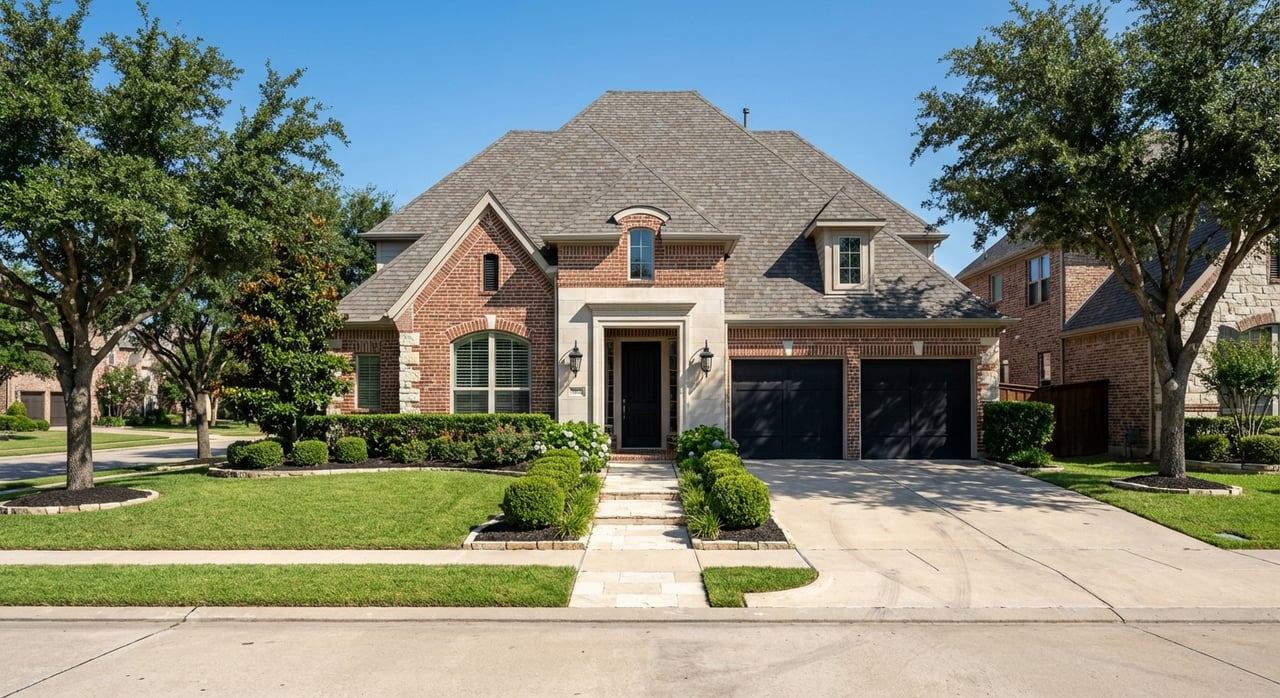
What you’ll notice on a drive: tidy streets, manicured landscaping, and a mix of traditional Southern architecture with updated finishes. Many communities offer sidewalks, neighborhood pools or clubhouses, and green spaces, though amenities vary by subdivision.
Commute and transportation
Most residents rely on a personal vehicle for daily life and work. According to the U.S. Census QuickFacts, the average commute is about 24 minutes, consistent with Madison’s role as a bedroom community for the Jackson metro.
- Highways: I‑55 and MS‑51 are your main north‑south corridors, connecting you to Ridgeland, Jackson, and Canton. Expect typical suburban traffic patterns that are busier at school start and end times.
- Air travel: Business and private flights use Bruce Campbell Field near Madison and Ridgeland. For commercial flights, Jackson–Medgar Wiley Evers International Airport (JAN) is usually a 15 to 30 minute drive depending on traffic. You can learn more about Bruce Campbell Field on this airport information page.
- Transit: Public transit options in Madison are very limited, so plan on driving for most errands and commutes.
Local economy and services
Madison’s higher median household income and high owner‑occupancy mirror an affluent suburban profile within the Jackson area. Many residents work in regional employment centers across government, healthcare, education, and professional services, including major hospitals and universities in nearby Jackson. You’ll find daily conveniences close to home, with expanded healthcare and specialty services a short drive away in the metro.
Safety and community vibe
Public reports and aggregated indices consistently describe Madison as a low‑crime suburban community compared with state and national averages. For a data‑driven view, review the summary on Crime Explorer. Always consider checking neighborhood‑level data and visiting areas in person to understand local conditions.
Day to day, the city feels neighborly and active. You’ll see walkers circling the one‑mile loop at Strawberry Patch Park, families spreading picnic blankets on the Red Caboose lawn, and weekend plans that often include reservoir time, youth sports, or arts‑center events. If you prefer a quieter main‑street rhythm over an urban nightlife, Madison may fit well.
Who Madison fits
- Households looking for established subdivisions, yards, and a calm suburban pace.
- Families who value public and private school choices and community programming.
- Professionals who commute into Jackson but want shorter travel times than outlying rural areas.
- Active retirees who want parks and reservoir access without a dense urban setting.
Practical tips for your move
- Visit during a farmers market or arts event to get a true feel for the community.
- Drive your potential commute during peak times. The census estimates a typical 24‑minute drive, but your route may vary.
- If schools are a priority, tour campuses and review district resources on the Madison County Schools site. For specific achievements, verify honors such as the National Blue Ribbon.
- Discuss reservoir proximity, HOA amenities, and future development plans with your agent to understand neighborhood differences and value drivers.
Ready to take the next step? Whether you’re moving up, relocating from out of state, or buying your first home, our team offers full buyer and seller representation, virtual showings for remote clients, and premium listing marketing. Reach out to Stephanie Remore for local guidance and a personalized plan.
FAQs
What is the cost of housing in Madison, MS?
- Local profiles commonly place typical home values in the upper‑$300s to low‑$400s, with higher prices for newer, custom, or waterfront properties near the reservoir.
How long is the commute from Madison to Jackson?
- The average commute time is about 24 minutes according to the U.S. Census, though actual drive times depend on your route and time of day.
What are public school options like in Madison?
- Madison is served by the Madison County School District, with several schools in the city, and recognition such as the National Blue Ribbon award for Madison Station Elementary.
Is Madison considered a safe place to live?
- Aggregated data sources generally show crime rates below national averages for Madison; you can review current summaries on Crime Explorer and confirm neighborhood‑level data.
What are the best things to do outdoors in Madison?
- Residents enjoy Strawberry Patch Park’s one‑mile walking loop, trails at Simmons Arboretum, sports at Liberty Park, and weekends on or near the Ross Barnett Reservoir.
Does Madison have public transportation?
- Public transit is very limited, so most residents rely on a personal vehicle for daily errands and commuting.